

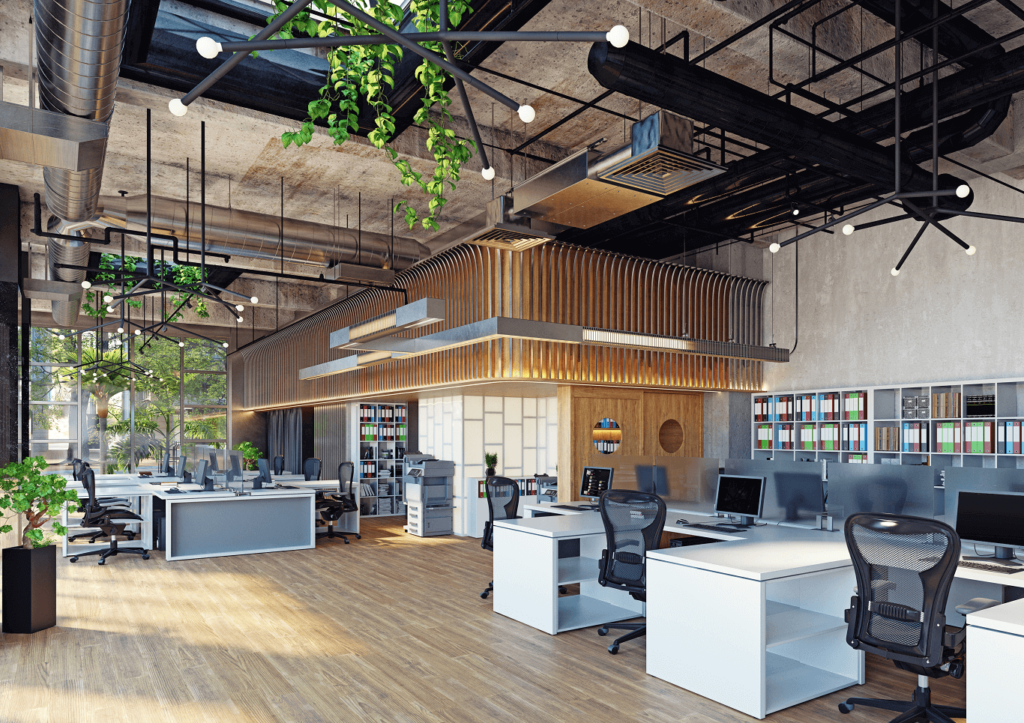
A well-designed office interior can significantly impact productivity, creativity, and overall well-being. Whether you’re setting up a home office or revamping a corporate space, creating an environment that balances functionality and aesthetics is key. Here are some essential tips for designing the perfect office interior.
1. Embrace Ergonomics
Ergonomic design is crucial for maintaining comfort and preventing health issues like back pain and repetitive strain injuries. Investing in ergonomic furniture can improve posture and increase productivity.
Ergonomic Essentials:
- Adjustable chairs with lumbar support.
- Desks at the correct height to avoid strain.
- Monitor stands to keep screens at eye level.
- Keyboard trays and ergonomic mouse pads.
2. Optimize Lighting
Proper lighting is vital in an office environment. Natural light boosts mood and productivity, so position desks near windows if possible. Supplement natural light with well-placed artificial lighting to reduce eye strain and create a bright, welcoming atmosphere.
Lighting Tips:
- Use LED bulbs for energy efficiency and a bright, natural light.
- Incorporate task lighting like desk lamps for focused work areas.
- Avoid harsh fluorescent lighting that can cause headaches and fatigue.
3. Choose Functional Furniture
Select furniture that meets the needs of your workspace while also reflecting your style. Opt for pieces that provide ample storage and help keep the office organized.
Furniture Ideas:
- Desks with built-in storage or cable management systems.
- Modular furniture that can be reconfigured as needs change.
- Shelving units and filing cabinets for organized storage.
4. Incorporate Color Wisely
Color can influence mood and productivity, so choose your office color scheme thoughtfully. Neutral tones create a calm and focused environment, while pops of color can stimulate creativity and energy.
Color Schemes:
- Blues and greens for a calming effect.
- Yellows and oranges for creativity and energy.
- Neutral tones with colorful accents to balance tranquility and vibrancy.
5. Create Collaborative Spaces
If you’re designing a corporate office, include spaces that encourage collaboration and teamwork. These areas should be comfortable and equipped with the necessary tools for group work.
Collaborative Space Tips:
- Include large tables or flexible seating arrangements.
- Provide whiteboards, corkboards, or digital screens for brainstorming.
- Create informal lounge areas with sofas and coffee tables.
6. Add Personal Touches
Personalizing your office can make it more inviting and inspire creativity. Decorate with items that reflect your personality and interests.
Personalization Ideas:
- Artwork, photographs, or posters that you love.
- Plants to bring a touch of nature indoors.
- Unique office supplies and accessories.
7. Prioritize Organization
A clutter-free office is essential for productivity. Use organizational tools to keep your workspace tidy and efficient.
Organization Tips:
- Use drawer organizers and desk trays for small items.
- Label storage bins and filing cabinets.
- Implement a digital filing system to reduce paper clutter.
8. Integrate Technology Seamlessly
Modern offices rely heavily on technology, so ensure your design integrates tech smoothly. This includes having sufficient outlets, charging stations, and cable management solutions.
Technology Integration:
- Install power strips and USB ports in convenient locations.
- Use wireless chargers and Bluetooth devices to reduce cable clutter.
- Incorporate smart office solutions like automated lighting and temperature control.
9. Focus on Flexibility
Work environments are constantly evolving, so create a flexible office that can adapt to changing needs. This is especially important in dynamic workspaces where employees might have varying requirements.
Flexibility Tips:
- Use movable partitions or modular furniture.
- Create multi-purpose areas that can serve different functions.
- Invest in convertible furniture like standing desks or foldable tables.
10. Ensure a Healthy Environment
A healthy office environment promotes well-being and productivity. Pay attention to air quality, temperature, and noise levels to create a comfortable workspace.
Health and Wellness Tips:
- Use air purifiers and ensure proper ventilation.
- Maintain a comfortable temperature with HVAC systems.
- Reduce noise pollution with sound-absorbing materials and quiet zones.
Conclusion
Designing the perfect office interior involves balancing functionality with aesthetics to create a space that is both productive and inspiring. By focusing on ergonomics, lighting, furniture, color, collaboration, personalization, organization, technology integration, flexibility, and health, you can create an office environment that enhances well-being and efficiency. Whether it’s a home office or a corporate workspace, these tips will help you design an office that meets your needs and reflects your style.